When Donald Trump returned to the Oval Office in January 2025, his administration brought with it a clear mandate to fundamentally reshape the United States federal government. No agency has felt the impact of this mandate more profoundly than the Department of State. Under the leadership of Secretary of State Marco Rubio, the State Department of 2026 looks vastly different from its predecessors. Through comprehensive reorganizations, shifting priorities, and a strict adherence to the “America First” doctrine, the current State Department has redefined how the United States interacts with the global community.
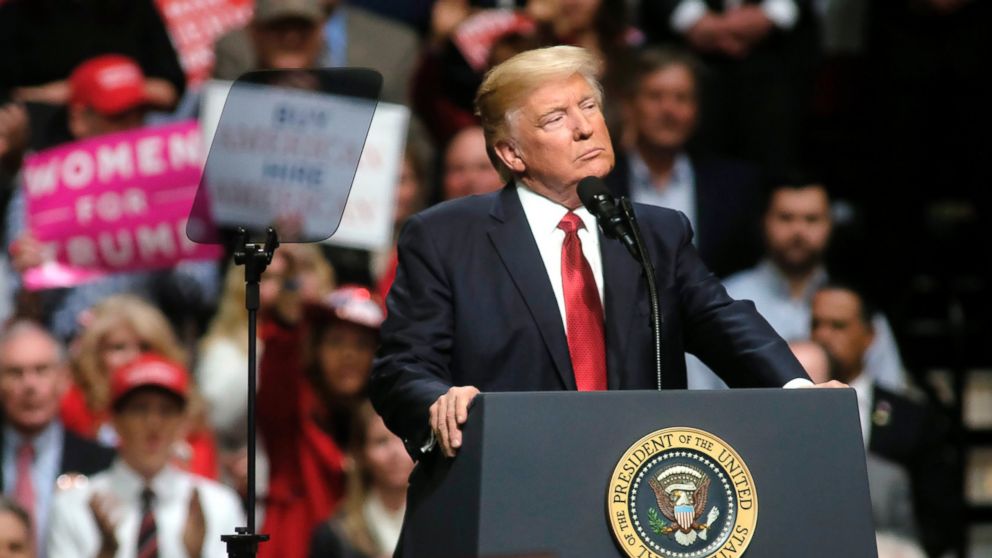
This article explores the current state of Trump’s State Department, examining its structural overhaul, its primary diplomatic objectives, and what these changes mean for the future of American foreign policy.
A Sweeping Structural Reorganization
The most immediate change implemented by Secretary Rubio was a massive structural overhaul designed to make the department more agile, focused, and aligned with the administration’s goals. In 2025, the State Department initiated a comprehensive reorganization plan that successfully eliminated nearly 45 percent of the department’s domestic offices.
The goal of this downsizing was twofold: cutting wasteful spending and decentralizing diplomatic power. By reducing the bureaucratic bloat in Washington, D.C., the administration empowered regional bureaus and frontline embassies. This shift ensures that American diplomats on the ground have the authority and resources to make swift decisions that advance national interests.
Furthermore, the administration aggressively rolled back Diversity, Equity, Inclusion, and Accessibility (DEIA) mandates across the department. The stated objective was to return to merit-based diplomacy and eliminate a focus on cultural causes that the administration deemed divisive at home and unpopular abroad. The department has instead pivoted back to classical diplomacy, prioritizing hard geopolitical realities over ideological social exports.
Border Security as a Core Diplomatic Mission
Historically, the State Department focused primarily on overseas relations, leaving border security to the Department of Homeland Security. In the second Trump administration, however, border security and immigration control have become central pillars of American foreign policy.
The State Department has fundamentally altered its visa and immigration procedures to halt mass illegal migration. Over the past year, the department paused immigrant visa issuance to dozens of countries, implementing extreme vetting procedures to ensure new immigrants align with national economic interests and do not become public charges.
Additionally, the diplomatic corps successfully negotiated several new Safe Third Country agreements in the Western Hemisphere, facilitating expedited deportations and leveraging foreign relations to secure the American border. For the current administration, effective foreign policy begins directly at the homeland’s perimeter.
Dismantling the NGO Industrial Complex
Foreign assistance has also undergone a radical transformation. The traditional model of distributing billions of dollars in foreign aid through massive networks of non-governmental organizations (NGOs) has been largely dismantled. The administration refers to this network as the “wasteful NGO industrial complex” and has aggressively cut funding to programs that do not yield direct, measurable benefits to the United States.
Instead, the State Department is focusing on bilateral agreements designed to put partner nations on a path to economic self-sufficiency. American foreign aid is now highly conditional, tied strictly to a recipient nation’s willingness to cooperate with the United States on key strategic issues, such as trade fairness, counter-narcotics operations, and immigration control. This transactional approach ensures that American taxpayer dollars are treated as investments with expected returns in the form of enhanced national security and economic prosperity.
Global Deterrence and Allied Burden-Sharing
The Trump State Department has taken a highly aggressive stance against transnational threats, heavily utilizing economic sanctions and visa restrictions as tools of deterrence. A newly implemented global visa restriction policy targets not just drug traffickers and terrorists, but also their extended family members and close business associates, effectively crippling the financial and social networks of international cartels.
On the traditional geopolitical front, the State Department has doubled down on forcing allies to share the burden of global security. A major diplomatic victory for the administration was pushing European allies toward a commitment to increase their defense spending to 5 percent of their Gross Domestic Product by 2035. This monumental shift aims to relieve the United States from shouldering the disproportionate cost of NATO’s defense umbrella, aligning perfectly with the administration’s core demand that wealthy allies pay their fair share for global deterrence.
Energy Dominance and Pragmatic Responses
Climate change initiatives, which heavily influenced the previous administration’s diplomatic efforts, have been largely replaced by a mandate to achieve and promote American energy dominance. The State Department now actively uses its diplomatic leverage to open new global markets for American oil, natural gas, and clean coal technologies, viewing energy independence as a vital national security asset.
Furthermore, the department has abandoned ideological crusades in favor of pragmatic, results-oriented alliances. This extends to international crisis management. For example, during the devastating June 2026 earthquakes in Venezuela, the State Department bypassed traditional international aid bureaucracies, opting instead to partner heavily with private American corporations and targeted humanitarian groups. This strategy allowed for a faster, more efficient delivery of life-saving relief while showcasing the power of the American private sector.
Conclusion
The state of Trump’s State Department in 2026 is a direct reflection of a presidency focused on immediate, tangible results for the American people. By executing a massive bureaucratic reorganization, prioritizing border security, restructuring foreign aid, and demanding financial accountability from both adversaries and allies, Secretary Marco Rubio has forged a diplomatic apparatus that is unabashedly transactional and fiercely nationalistic.
While critics may argue that the withdrawal from traditional globalist frameworks risks alienating long-term partners, the administration maintains that a strong, secure, and economically dominant United States is the ultimate guarantor of global stability. Whether viewed as a necessary correction or a controversial pivot, one thing remains certain: the American diplomatic machine has been fundamentally rewired, and its impact will be deeply felt on the global stage for decades to come.