The high school years represent a pivotal crossroads in a young person’s life. During this four-year window, students transition from early adolescence into young adulthood, making choices that will dictate their future academic, professional, and personal trajectories. However, the potential of a high school student is not determined solely by their work ethic or natural intelligence; it is profoundly shaped by the concept of access.
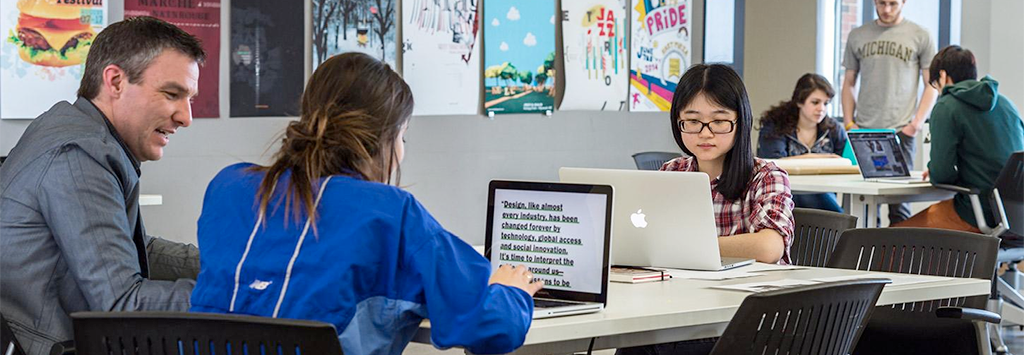
In modern education, “High School Students Access” refers to the availability of resources, advanced coursework, technology, mental health support, and guidance that allow students to thrive. When access is equitable, it acts as a powerful equalizer, enabling students from all backgrounds to reach their full potential. Conversely, a lack of access builds invisible walls that trap talent and limit future opportunities. Exploring the multifaceted nature of student access reveals how we can better prepare the next generation for success.
Breaking Barriers with Advanced Academic Programs
One of the most vital forms of access in secondary education is exposure to rigorous, college-level academics while still in high school. Advanced Placement (AP) courses, International Baccalaureate (IB) programs, and dual-enrollment opportunities with local community colleges give students a significant head start.
- College Readiness: Exposure to advanced curricula teaches students the study habits, critical thinking, and time-management skills required for higher education.
- Financial Benefits: Passing AP exams or participating in dual-enrollment programs allows students to earn college credits early. This can potentially shave semesters off their future university degrees, saving families thousands of dollars in tuition.
- The Equity Gap: Historically, these programs were concentrated in affluent school districts. Expanding access to advanced coursework in rural and underfunded urban schools is essential for ensuring that talented students are not overlooked simply because of their zip code.
When schools democratize access to these advanced pathways, they send a clear message to all students that higher education and specialized careers are within their reach.
Bridging the Digital Divide: Technology as a Basic Right
In the modern educational landscape, technology is no longer a luxury or an optional supplement; it is the primary medium through which learning occurs. From submitting assignments online to conducting academic research and learning computer science, digital access is a fundamental prerequisite for high school success.
True digital access requires a three-tiered approach: reliable hardware (such as laptops or tablets), high-speed internet connectivity at home, and comprehensive digital literacy training. When a student lacks any of these components, they fall victim to the “homework gap,” a systemic disadvantage where students struggle to keep up with schoolwork simply because they cannot access online resources outside of school hours.
To combat this, forward-thinking districts are implementing one-to-one device initiatives and partnering with community organizations to provide mobile hotspots to families in need. Ensuring universal technological access prepares high schoolers for a workforce that is entirely dependent on digital competence.
Demystifying Higher Education and Career Pathways
For many high school students, especially first-generation college-goers, the process of applying to universities or navigating vocational certification can be incredibly overwhelming. Access to robust guidance counseling and mentorship programs is the key to transforming confusion into clarity.
Effective counselor access means students receive personalized advice on course selection, resume building, and standardized testing. Furthermore, it ensures that students understand the financial aid landscape, including how to complete the Free Application for Federal Student Aid (FAFSA) and secure private scholarships.
Beyond college prep, modern high school access must also encompass vocational exploration. Giving students opportunities to participate in job shadowing, corporate internships, and technical training ensures that those who choose to enter the workforce directly after graduation do so with marketable, high-paying skills.
Mental Health Support: The Invisible Access Point
Academic and career opportunities mean very little if a student’s fundamental mental and emotional needs are left unmet. The pressures of modern high school life—ranging from academic stress and social media dynamics to familial expectations—have led to a documented rise in anxiety and depression among adolescents.
Therefore, comprehensive access to mental health resources within the school environment is a critical necessity. This includes having a sufficient ratio of licensed school psychologists and social workers to students, establishing safe wellness spaces on campus, and implementing social-emotional learning frameworks into the daily routine.
When a high school provides a safe, stigma-free environment where students can easily access mental health support, it directly reduces absenteeism, improves academic performance, and saves lives. Emotional well-being is the baseline upon which all academic achievement is built.
Conclusion: Empowering the Future through Inclusive Access
Providing high school students with robust, unhindered access to advanced academics, modern technology, comprehensive counseling, and mental health resources is not a charitable endeavor; it is a strategic investment in our collective future. The barriers that limit a student’s access today become the societal gaps in innovation, productivity, and economic stability tomorrow.
By identifying where access is lacking and actively working to dismantle those barriers, educators, policymakers, and communities can ensure that every high school student has the tools they need to build a meaningful life. When we expand the horizons of our youth, we open the door to a brighter, more equitable, and more prosperous world for everyone.