In an ever-evolving world marked by economic shifts, technological revolutions, and cultural transformations, humanity constantly seeks a reliable blueprint for personal and collective progress. While various factors contribute to a fulfilling existence, one element remains universally acknowledged as the ultimate catalyst for human advancement: education.
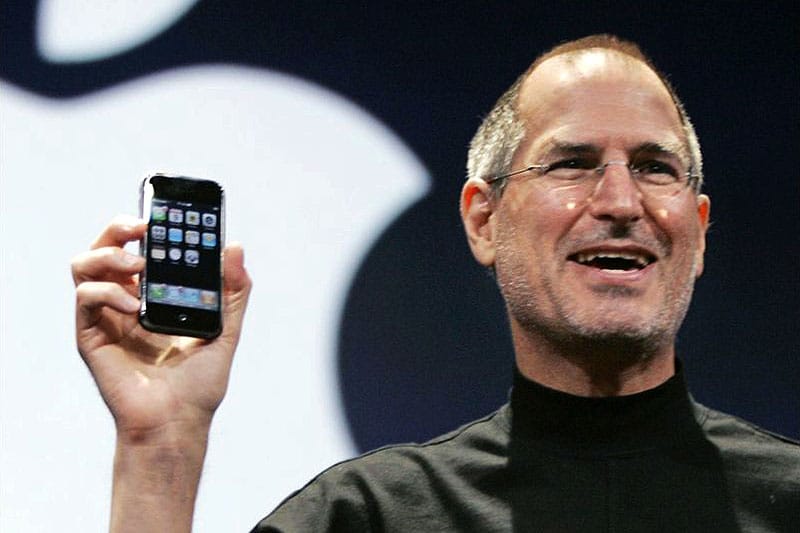
The concept of “Education to Better Live” is not merely a modern catchphrase; it is a foundational truth. Education is the most effective tool available for dismantling barriers, creating opportunities, and elevating the quality of human life. Beyond the confines of classrooms and textbooks, it shapes our perspective, refines our choices, and empowers us to build a sustainable future.
Redefining Education Beyond the Classroom
To truly understand how education leads to a better life, we must first broaden our definition of learning. For generations, education was viewed strictly through an institutional lens—attending school, memorizing facts, passing exams, and securing a degree. While formal schooling provides an essential foundation, true education encompasses a lifetime of learning, critical thinking, and skill acquisition.
In the 21st century, education includes digital literacy, emotional intelligence, financial management, and problem-solving capabilities. It is about fostering an adaptable mindset that allows individuals to unlearn outdated concepts and relearn relevant skills. When we view education as a continuous journey of self-improvement, it ceases to be a chore and becomes an empowering lifestyle choice that continuously enhances our standard of living.
The Economic Engine: Financial Stability and Career Growth
One of the most immediate and tangible ways education translates into a better life is through economic empowerment. Statistically, higher levels of education or specialized skill training directly correlate with better employment opportunities and increased earning potential.
- Breaking the Cycle of Poverty: Education equips individuals from marginalized backgrounds with the tools required to compete in the modern job market, effectively breaking generational cycles of financial hardship.
- Fostering Innovation and Entrepreneurship: An educated mind is more capable of identifying market gaps, calculating risks, and launching successful business ventures, which in turn creates jobs for others.
- Adaptability in a Changing Job Market: As automation and artificial intelligence reshape industries, continuous education ensures that workers can pivot to new roles rather than becoming obsolete.
By providing financial security, education alleviates the chronic stress associated with economic instability, allowing individuals to focus on personal well-being, health, and happiness.
Intellectual Empowerment and Informed Decision-Making
While economic benefits are crucial, the intellectual growth fostered by education is equally vital for a high-quality life. Education trains the brain to process complex information, evaluate evidence, and distinguish between fact and misinformation.
In an era saturated with data, the ability to think critically is a superpower. An educated individual is less susceptible to manipulation, fraud, and baseless rhetoric. Whether making personal healthcare decisions, investing financial resources, or participating in democratic processes through voting, educated citizens make choices grounded in logic and evidence. This clarity of thought directly minimizes costly life errors and maximizes long-term success.
Health, Wellness, and Social Well-Being
There is a profound, often underappreciated connection between education and physical health. Numerous global studies indicate that individuals with higher educational attainment generally enjoy longer, healthier lives.
This correlation exists because education heightens awareness regarding nutrition, hygiene, mental health, and the importance of regular exercise. Educated individuals are more likely to understand medical advice, seek preventative healthcare, and steer clear of high-risk behaviors. Furthermore, the problem-solving skills learned through education provide better coping mechanisms for stress, reducing the incidence of lifestyle-related ailments.
On a social level, education fosters empathy, tolerance, and emotional intelligence. By exposing learners to diverse histories, cultures, and viewpoints, it reduces prejudice and nurtures community cohesion. Better communication skills enable healthier relationships with family, friends, and colleagues, directly contributing to emotional fulfillment.
Shaping Global Citizens for a Sustainable Future
The ultimate manifestation of “Education to Better Live” extends beyond individual prosperity; it encompasses the betterment of global society. The grand challenges of our era—climate change, resource scarcity, global health crises, and social inequality—cannot be solved with old paradigms. They require highly educated, innovative minds capable of cross-disciplinary collaboration.
Education instills a sense of civic responsibility and global citizenship. It teaches us that our actions have consequences that ripple across the planet. When populations are educated, they demand better governance, champion sustainable environmental practices, and work toward a more equitable distribution of resources.
Conclusion: Investing in the Future
Education is not an expense; it is the most profound investment an individual, family, or nation can make. It is the vehicle that transforms potential into reality, ignorance into wisdom, and poverty into prosperity.
To live a better life is to live with purpose, security, and a deep understanding of the world around us. By prioritizing education in all its forms—whether through formal degrees, reading, online courses, or practical mentorship—we unlock the doors to a brighter, more resilient future. The pursuit of knowledge is the lifelong bridge connecting who we are today with the highest version of who we can become tomorrow.